Chlorine Mistakes Most Pool Owners Make (And What to Do Instead)

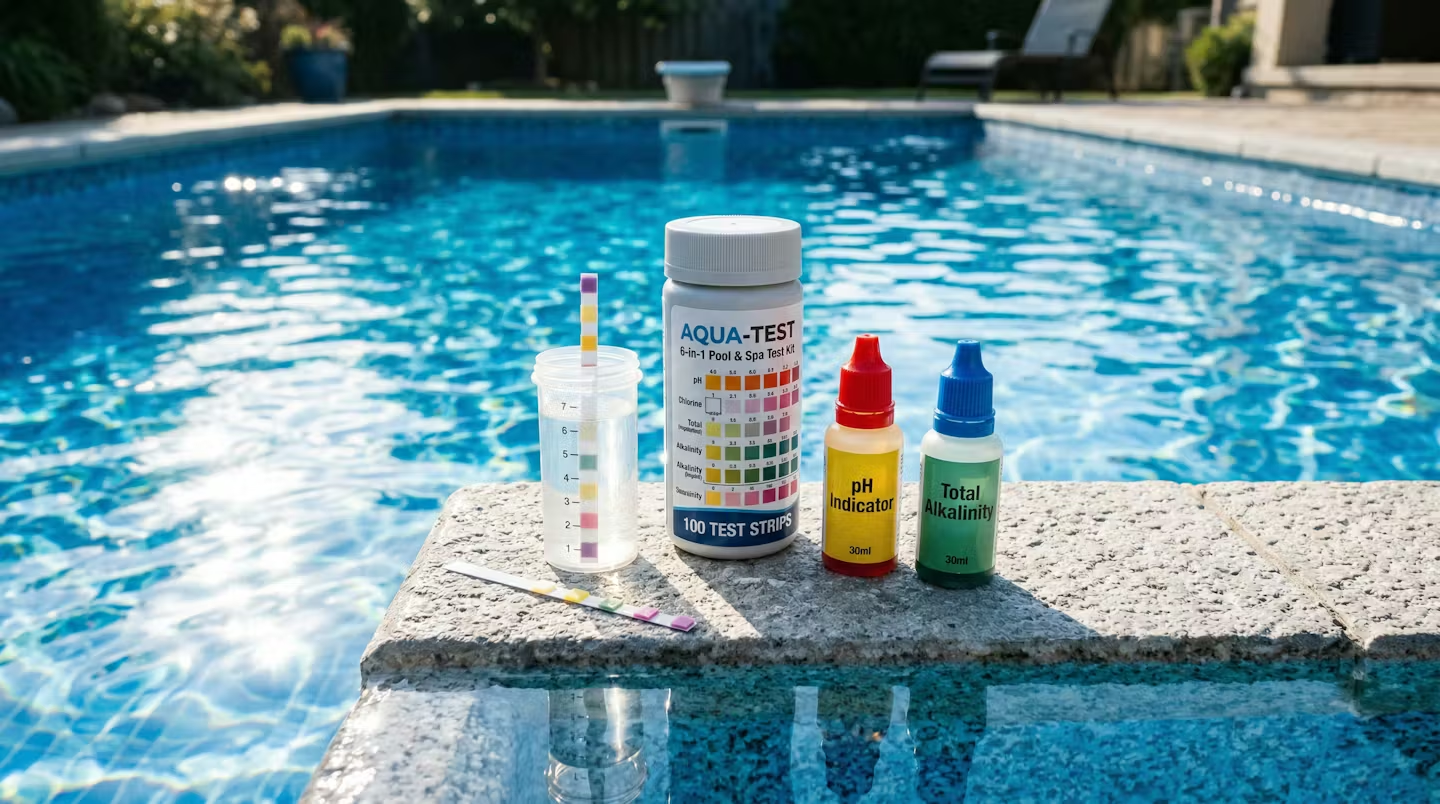
Chlorine is the most important chemical in your pool. It sanitizes the water, kills bacteria, prevents algae, and keeps your pool safe for swimmers. But despite being so fundamental, it’s also the chemical that pool owners most consistently use incorrectly. The result is water that’s either unsafe, uncomfortable, or constantly fighting algae — and in some cases, equipment that’s been damaged from the inside without the owner ever knowing.
After working with pool owners across Northern Virginia and Maryland for years, we’ve seen the same chlorine mistakes come up again and again. Most of them are completely avoidable with a small adjustment to your routine. Here’s what most pool owners get wrong — and the right approach for each.
Adding Chlorine During the Heat of the Day
This is one of the most widespread mistakes, and it silently costs pool owners money every season. If you add chlorine — particularly unstabilized liquid chlorine or calcium hypochlorite granules — to your pool when the sun is at its peak, UV rays break down the chlorine before it has a chance to work. A significant percentage of the product can degrade within a few hours of direct sun exposure.
The fix is simple: add chlorine in the late afternoon, at dusk, or after dark. This allows the chemical to distribute through the water overnight when UV degradation is not a factor, maximizing its effectiveness and extending how long each dose lasts in the water.
If you’re using a stabilized form of chlorine (such as trichlor tabs in a feeder or floater), this is less of an immediate concern since cyanuric acid provides some UV protection — but it’s still best practice to run any chemical additions in the evening. This applies especially to shock treatments, which should always be added at dusk or after sunset.
Not Using Cyanuric Acid (Stabilizer) — or Using Too Much
Cyanuric acid (CYA), also called pool stabilizer or conditioner, protects chlorine from UV degradation by forming a temporary bond with free chlorine molecules. Without stabilizer, chlorine in an outdoor pool can be significantly depleted by sunlight within a few hours. In the DMV’s intense summer sun, an unstabilized outdoor pool can lose 90% of its free chlorine in a day.
The target range for cyanuric acid in most residential pools is 30–50 ppm. Below that, you’re losing chlorine to the sun far faster than necessary. But here’s something many pool owners don’t realize: too much CYA is just as problematic.
When cyanuric acid levels climb above 80–100 ppm — which happens easily over time if you exclusively use trichlor tabs, which contain built-in stabilizer — the CYA actually begins to bind so tightly with chlorine that the chlorine becomes substantially less effective. This is known as chlorine lock. Your test kit may show 3 ppm of free chlorine, but at CYA levels of 100+ ppm, that chlorine is largely unavailable to sanitize the water.
The only way to lower CYA that is too high is to partially drain the pool and refill with fresh water. That’s why it’s worth testing CYA levels at least once a month during the season — getting ahead of it is far easier than dealing with chlorine lock when your pool turns green despite “normal” chlorine levels.
Confusing the Different Types of Chlorine
Not all chlorine products are the same, and using the wrong type for a given situation is a common mistake. Understanding the differences lets you make better choices for your pool’s needs:
- Trichlor tabs (pucks): Slow-dissolving, contain built-in stabilizer (CYA), low-pH. Great for routine daily chlorination through a feeder or floater. Not ideal for shock — and because they add CYA every time you use them, exclusive use of trichlor can lead to sky-high CYA levels over a season.
- Dichlor granules: Fast-dissolving, also stabilized, slightly acidic. Can be used for maintenance or as a mild shock. Like trichlor, repeated use adds CYA to the water.
- Calcium hypochlorite (cal-hypo): High-strength unstabilized shock. Fast-acting. Raises calcium hardness slightly with each use. Ideal for shocking — but do not mix directly in the pool or with trichlor products (creates a dangerous exothermic reaction). Pre-dissolve in a separate bucket before adding.
- Sodium hypochlorite (liquid chlorine): Unstabilized, fast-acting, does not raise calcium or CYA. Ideal for pools where you want control over stabilizer levels. Shorter shelf life than granules once opened.
- Lithium hypochlorite: Fast-dissolving and compatible with most pool surfaces. Less commonly available but useful for pools with vinyl liners sensitive to undissolved granules.
For most DMV pool owners, a combination approach works best: trichlor tabs for routine daily chlorination through a floater, and calcium hypochlorite or liquid chlorine for shocking when needed. Monitor CYA levels closely if you rely heavily on tabs.
Not Shocking After Heavy Rain or High Bather Load
Shock treatment should be part of your regular routine — not just something you do when the pool turns green. In Northern Virginia and Maryland, summer storms are common and intense. A heavy rain event dilutes pool water, washes in organic material from the surrounding environment, and can dramatically change your chemical balance. That’s a situation that calls for testing and usually shocking.
Similarly, a pool party with 12 people swimming for the afternoon introduces far more bather load than a typical day of use. Sunscreen, body oils, hair products, perspiration, and other organic compounds consume chlorine rapidly and create chloramine buildup. Without a shock treatment after a heavy-use day, free chlorine levels can stay suppressed for days.
As a rule of thumb, shock your pool:
- Every 1–2 weeks as routine maintenance during the swim season
- After any heavy rain event
- After a pool party or unusually high bather load
- Whenever free chlorine drops below 1 ppm
- At the start of the season when opening, and at the end when closing
Consistent shocking at appropriate intervals keeps chloramines in check, prevents algae before it takes hold, and reduces how much maintenance chlorine you need overall.
Adding Chlorine Directly to the Pool Without Pre-Dissolving
Granulated chlorine products — including most shock formulas and dichlor granules — should be pre-dissolved in a bucket of water before being added to the pool. Dropping undissolved granules directly onto pool surfaces can cause bleaching or damage, especially on colored plaster, aggregate finishes, and vinyl liners.
The proper method: fill a 5-gallon bucket approximately half full with pool water, then slowly add the measured granules to the water (not the other way around — adding water to concentrated product can cause splashing and is more hazardous). Stir to dissolve, then pour the diluted solution around the perimeter of the pool with the pump running.
This applies to shock as well as maintenance granules. The few extra minutes this takes per treatment can prevent surface staining that requires significant effort or professional intervention to address.
Not Accounting for the DMV’s Hot Summers and Heavy Usage
Chlorine demand is not constant — it varies significantly with temperature, sunlight, rainfall, and bather load. A dosing schedule that works perfectly in May will be woefully insufficient in July in Northern Virginia or Maryland, where temperatures regularly push into the 90s and pools see their highest usage.
Hot water accelerates chlorine degradation. UV intensity in summer is higher. More swimmers means more organic load and faster chlorine consumption. If you’re following a fixed routine without adjusting for these variables, you’re likely under-chlorinating during the hottest part of the season — which is exactly when algae growth is fastest.
Practical adjustments for DMV summers:
- Test water more frequently in July and August — at minimum every other day
- Consider increasing shock frequency to weekly during peak swimming weeks
- If using a feeder or floater, check and replenish tabs more often in hot weather
- After consecutive days of high temperatures and heavy use, test before you assume everything is fine
Our pool maintenance plans are structured around the actual demands of a DMV season, including how chemical needs shift from April through October. If managing this yourself has become a time commitment, a professional service plan may be more cost-effective than you expect.
Not Testing Before Adding Chlorine
It might seem obvious, but many pool owners add chlorine on a schedule without testing first. The problem with this approach is that chlorine demand varies every day. On a day when recent rainfall, cool weather, and no swimmers have kept the water clean, adding a full routine dose of chlorine may overshoot the mark — creating unnecessarily high chlorine levels that are harsh on swimmers’ eyes and skin, and that can damage swimwear and pool surfaces over time.
On the other end, if you follow a fixed schedule while ignoring the signals that demand is higher — high bather load, hot water, green water starting to appear — you can underdose and lose control of water quality before you realize it.
The right approach is always to test first, then add what the water actually needs. This produces better results, uses chemicals more efficiently, and protects swimmers from both under- and over-chlorination. A quality digital or liquid test kit takes about two minutes and gives you actionable data. That’s a better starting point than any fixed schedule.
Frequently Asked Questions
What should my free chlorine level be in a residential pool?
The recommended range for free chlorine is 1–3 ppm for most residential pools. During high-use periods or hot weather, aim for the upper end (2.5–3 ppm) to stay ahead of demand. Combined chlorine (chloramines) should stay below 0.5 ppm — if it’s higher, it’s time to shock.
Why does my pool smell like chlorine if I have enough chlorine in it?
The “pool smell” people associate with chlorine is actually chloramines — compounds formed when chlorine reacts with organic material. High chloramine levels indicate that your free chlorine is being consumed by organic load faster than it’s sanitizing. The fix is shocking the pool, not adding more regular chlorine. Properly balanced water with effective free chlorine has almost no smell.
Can I add too much chlorine to my pool?
Yes. Chlorine levels above 5 ppm can irritate eyes and skin for swimmers. Very high levels (10+ ppm) can damage pool equipment components and surfaces over time. Always add chlorine based on test results, not just because it seems like it has been a while. High chlorine will naturally drop within 24–48 hours in outdoor pools, but it’s best to avoid unnecessary overdoses.
How do I know if my pool has chlorine lock?
Chlorine lock is typically indicated by: free chlorine tests showing adequate levels (1–3 ppm) while algae or bacterial issues persist; combined chlorine remaining elevated despite regular shocking; and cyanuric acid testing above 80–100 ppm. The solution is a partial drain and refill to dilute CYA levels back into the 30–50 ppm range.
Is it safe to swim right after adding chlorine?
It depends on what was added and how much. After routine chlorine additions, test the water and wait until free chlorine is below 5 ppm before swimming — usually a few hours with the pump running. After shocking, wait until free chlorine drops back to 1–3 ppm, which typically takes 8–24 hours depending on the shock type and dosage.
Get the Chemistry Right This Season
Consistent, correct chlorine use is the difference between a pool that practically runs itself and one that’s constantly fighting algae, cloudy water, and chemistry problems. If you want reliable, properly balanced water throughout the DMV swim season without the guesswork, explore our pool maintenance programs or get a free quote from Beltway Pools. We serve pool owners throughout Northern Virginia and Maryland, including Fairfax County, Loudoun County, Montgomery County, and Prince George’s County.
Ready to get started?
Beltway Pools serves Maryland, Virginia, and Washington DC.
Explore our maintenance servicesKeep Reading
More Articles
- Pool Maintenance
Year-Round Pool Maintenance Beats the Summer Rush
Why consistent year-round pool maintenance prevents costly repairs, extends equipment life, and lets you skip the summer service backlog.
Read article - Pool Maintenance
Pool Maintenance Mistakes That Are Costing DMV Homeowners Thousands
Small pool care oversights add up to major repair bills. Here are the most common maintenance mistakes we see in Northern Virginia and Maryland — and how to avoid them.
Read article - Pool Maintenance
How to Balance Pool Chemicals: A Homeowner's Guide
A practical guide to testing and balancing pool chemicals in Virginia and Maryland — pH, alkalinity, chlorine, CYA, and a seasonal chemistry calendar.
Read article